Homeopathic Treatments – Dr. K. Patra
Explore the range of homeopathic treatments offered by Dr. K. Patra for various health concerns. Here providing information about common ailments, their symptoms, and homeopathic approaches to care. Learn more about individualized treatment options designed to support overall well-being through holistic healthcare.
Women's Health
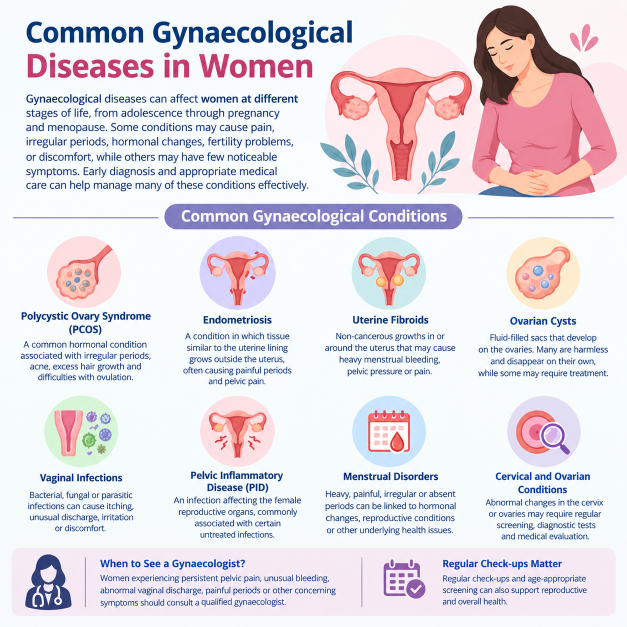
Polycystic Ovary Syndrome (PCOS): A common hormonal condition associated with irregular periods, acne, excess hair growth and difficulties with ovulation.
Endometriosis: A condition in which tissue similar to the uterine lining grows outside the uterus, often causing painful periods and pelvic pain.
Uterine Fibroids: Non-cancerous growths in or around the uterus that may cause heavy menstrual bleeding, pelvic pressure or pain.
Ovarian Cysts: Fluid-filled sacs that develop on the ovaries. Many are harmless and disappear on their own, while some may require treatment.
Vaginal Infections: Bacterial, fungal or parasitic infections can cause itching, unusual discharge, irritation or discomfort.
Menstrual Disorders: Heavy, painful, irregular or absent periods can be linked to hormonal changes, reproductive conditions or other underlying health issues.
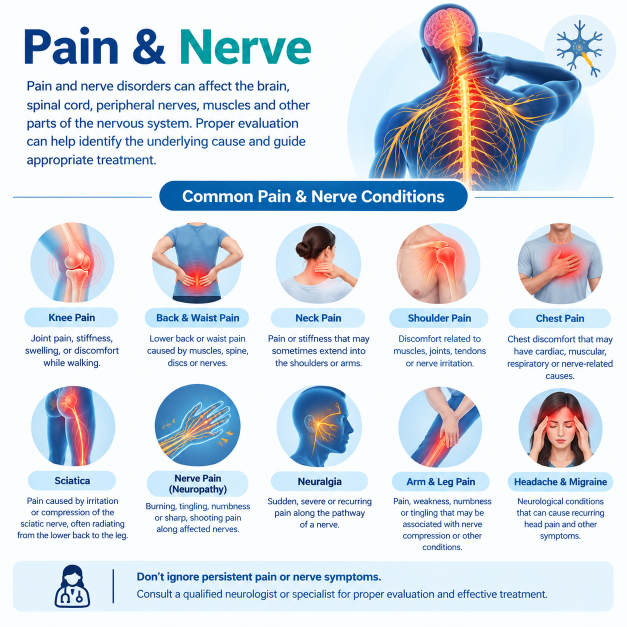
Knee Pain – Joint pain, stiffness, swelling, or discomfort while walking.
Back & Waist Pain – Lower back or waist pain caused by muscles, spine, discs, or nerves.
Neck Pain – Pain or stiffness that may sometimes extend into the shoulders or arms.
Shoulder Pain – Discomfort related to muscles, joints, tendons, or nerve irritation.
Sciatica – Pain caused by irritation or compression of the sciatic nerve, often radiating from the lower back to the leg.
Nerve Pain (Neuropathy) – Burning, tingling, numbness, or sharp, shooting pain along affected nerves.
Neuralgia – Sudden, severe, or recurring pain along the pathway of a nerve.
Headache & Migraine – Neurological conditions that can cause recurring head pain and other symptoms.
Neurological Disorder
Stone and Tumor
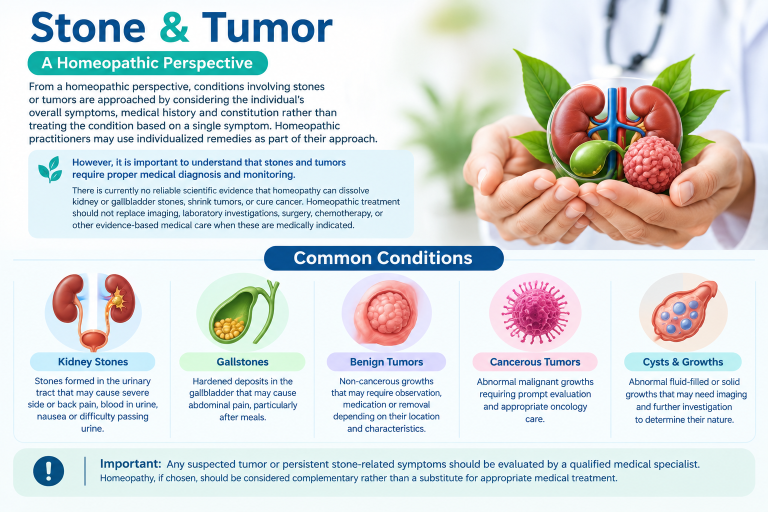
Kidney Stones – Stones formed in the urinary tract that may cause severe side or back pain, blood in urine, nausea or difficulty passing urine.
Gallstones – Hardened deposits in the gallbladder that may cause abdominal pain, particularly after meals.
Benign Tumors – Non-cancerous growths that may require observation, medication or removal depending on their location and characteristics.
Cancerous Tumors – Abnormal malignant growths requiring prompt evaluation and appropriate oncology care.
Cysts & Growths – Abnormal fluid-filled or solid growths that may need imaging and further investigation to determine their nature.
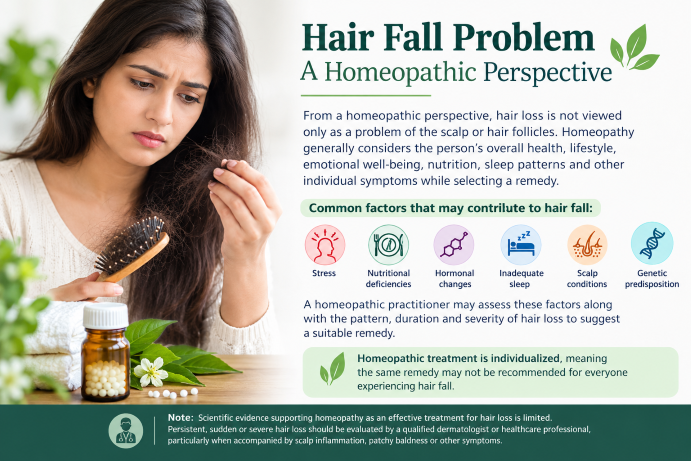
Stress and Lack of Sleep – Physical or emotional stress can affect the normal hair growth cycle and may result in increased shedding. Poor sleep and prolonged stress may also affect overall health and well-being, which can contribute to hair-related concerns.
Nutritional Deficiencies – Hair growth requires adequate nutrients, including protein, iron, zinc, vitamin D, and other vitamins and minerals. An unbalanced diet or certain nutritional deficiencies may contribute to hair thinning or excessive shedding.
Hormonal Changes – Hormonal fluctuations can affect hair growth. Changes associated with conditions such as thyroid disorders, pregnancy, menopause, or other hormonal imbalances may sometimes lead to increased hair loss.
Sclup and Hairloss